( Interview · Design )
Haneu
A ceramicist of slow and steady claywork: on the ocean, repetition and the pieces she lives with first.
Read
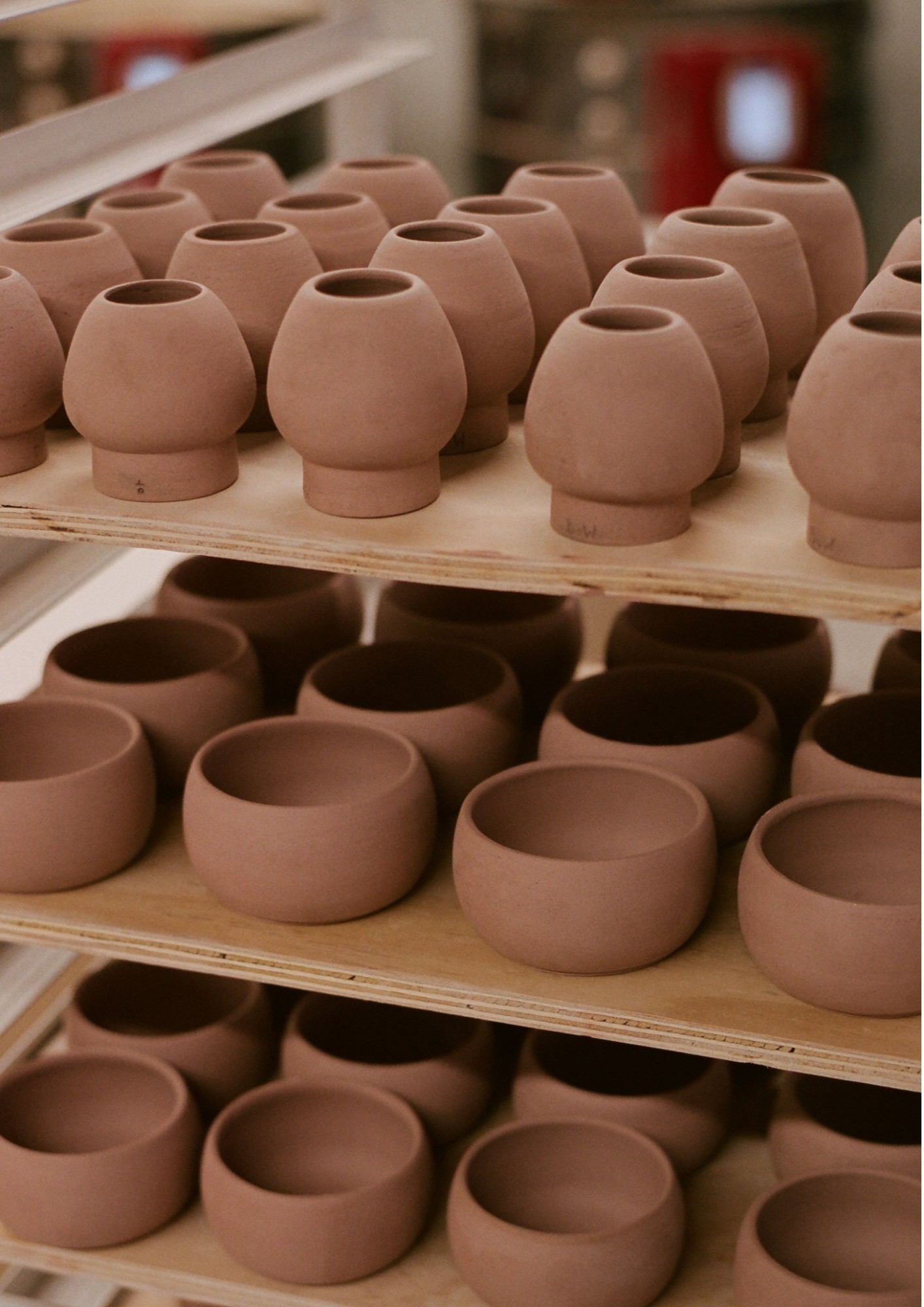
003–01Body of work, 2023 · Courtesy haneu haneu
Haneu works in clay under the name haneu haneu, at the wheel and by hand, often in long runs of the same quiet form. The pieces begin in personal memory and end up in everyday use: a cup reached for without a second thought.
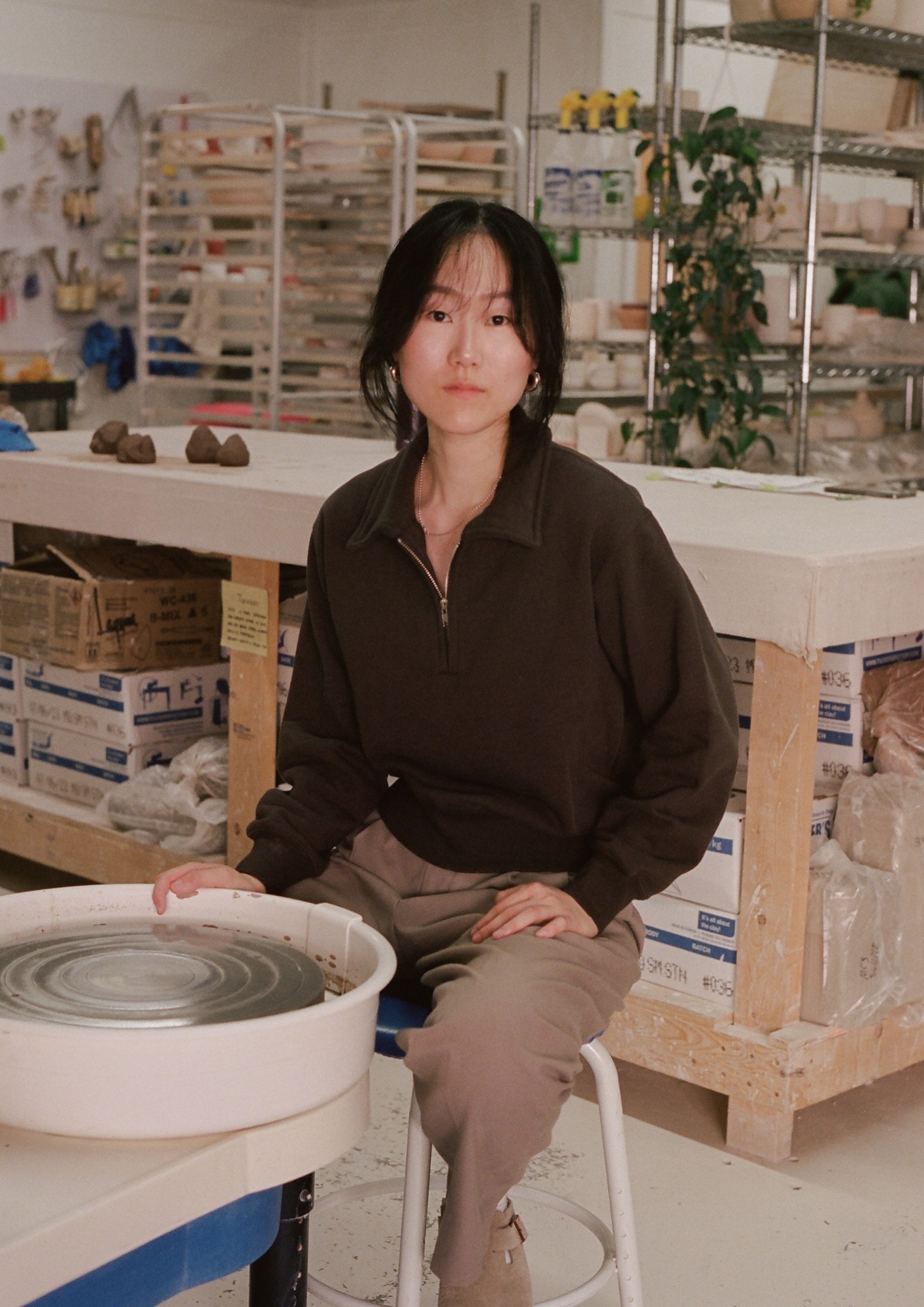
She first started working with clay in Seoul in 2018 and now works from a small studio in Toronto. Here she talks about the ocean, thoughtful partnerships with stockists, and a home that has quietly become an archive of sorts.
Please tell us a little about yourself. How did you end up working in clay?
Ceramic objects are quietly an ordinary part of our lives, found in almost every household, whether as tableware or decorative pieces. I became curious about clay after learning that my umma (mom, in Korean) practised while I was in her womb. In 2018, I had the opportunity to take ceramic classes while living in Seoul, and I’ve been drawn to it ever since. It was one of those rare moments where things just made sense. Eight years later, it still makes sense.
You say the pieces come from personal memory. Is there one you keep coming back to, and what did it turn into?
Lately, it’s less a specific memory that I return to, and more a feeling I’ve been trying to understand: a search for solace when life feels heavy.
I’m going through a transitional period in my life, which often brings me back to the times when my umma and I would go to the ocean when she needed to clear her head. We would simply sit and watch the water move in and out along the shore. There’s something about that movement that has always calmed me, and it’s still something I seek out when things feel challenging.
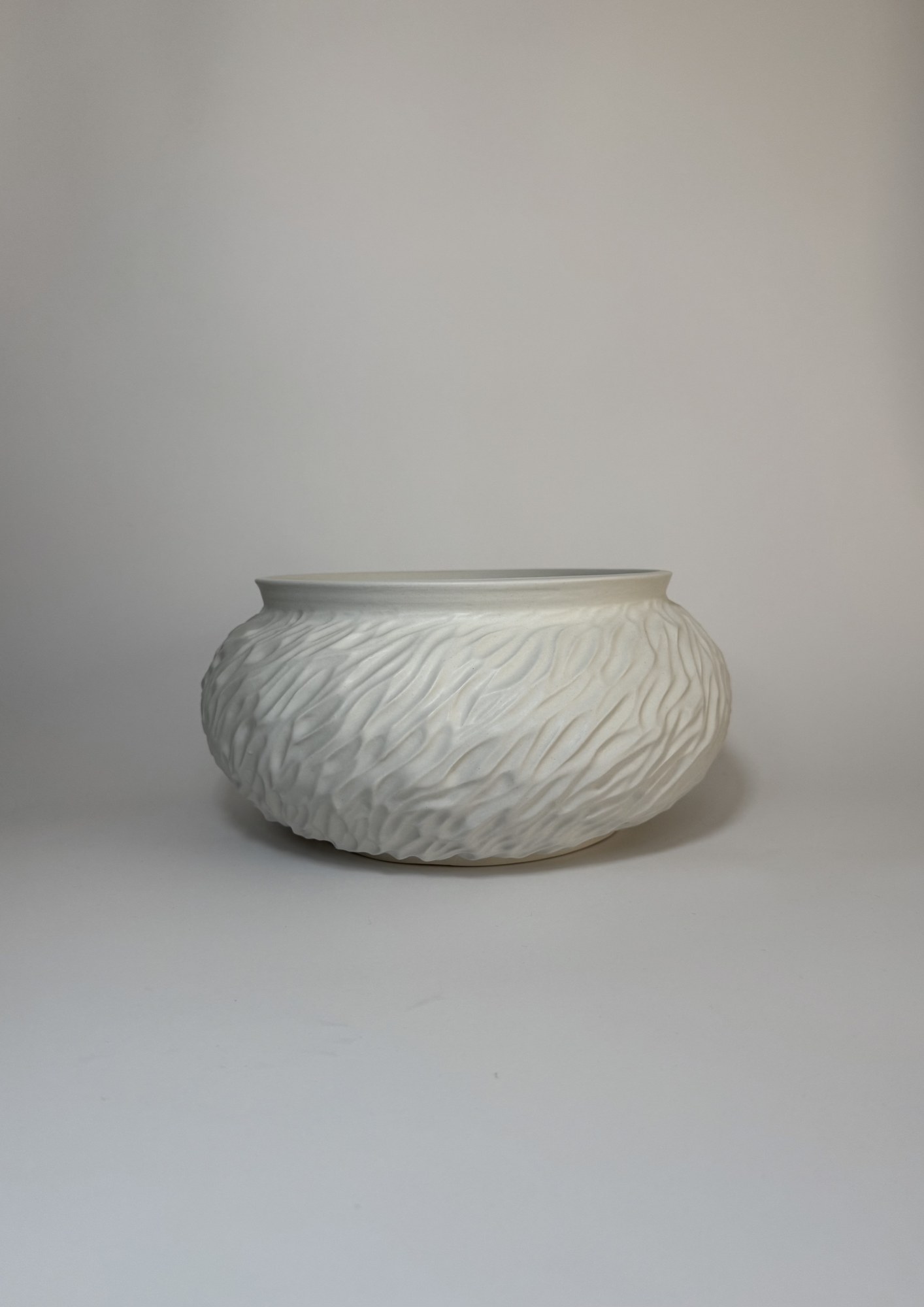
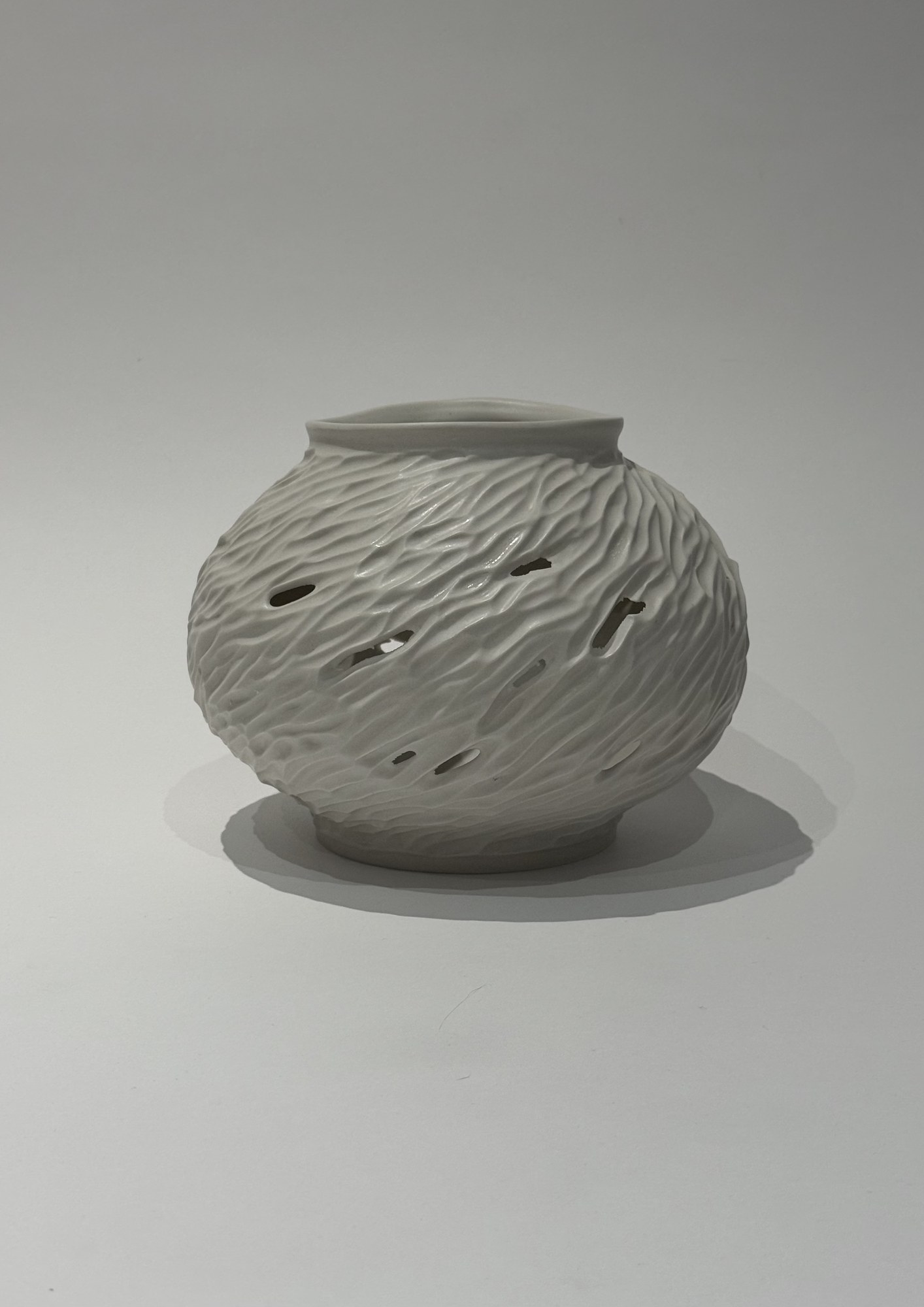
That movement, the subtle ripples and repetition of water, has gradually found its way into my work. I’m exploring how to translate it into clay through repetition of process, form and different textures.
Some pieces are thrown and some built by hand. How do you decide which way a piece goes?
It really depends on the project and the idea behind the piece. I try not to commit to a particular technique too early, and I love both ways of working with clay. Sometimes a form calls for the symmetry and rhythm of the wheel, while other pieces need the freedom of being built by hand. I let the intention behind the form guide the process.
( Haneu )
“There’s something about that movement that has always calmed me.”
What’s in the kiln right now, or waiting to go in?
At the moment, I’m firing pieces for an upcoming exhibition. The work explores the ripples and repetition I mentioned earlier, and it will be the first time I’m presenting this ongoing study publicly. It’s exciting to see something I’ve been quietly exploring in the studio begin to take shape as a body of work.
You call the work slow and steady, but there are stockists to supply and commissions. How do you hold those together?
I’ve been fortunate to build meaningful relationships with my stockists. With some, we work together on limited runs of pieces made exclusively for their spaces, while others allow for longer lead times so the work can develop without feeling rushed.
I think it comes down to finding people who understand the nature of handmade objects. Each piece needs a certain amount of time and attention, and I’m grateful to work with people who respect that. It’s about finding a balance between meeting those commitments and giving the work the time it needs.
Could you describe your studio as it actually is today, untidied?
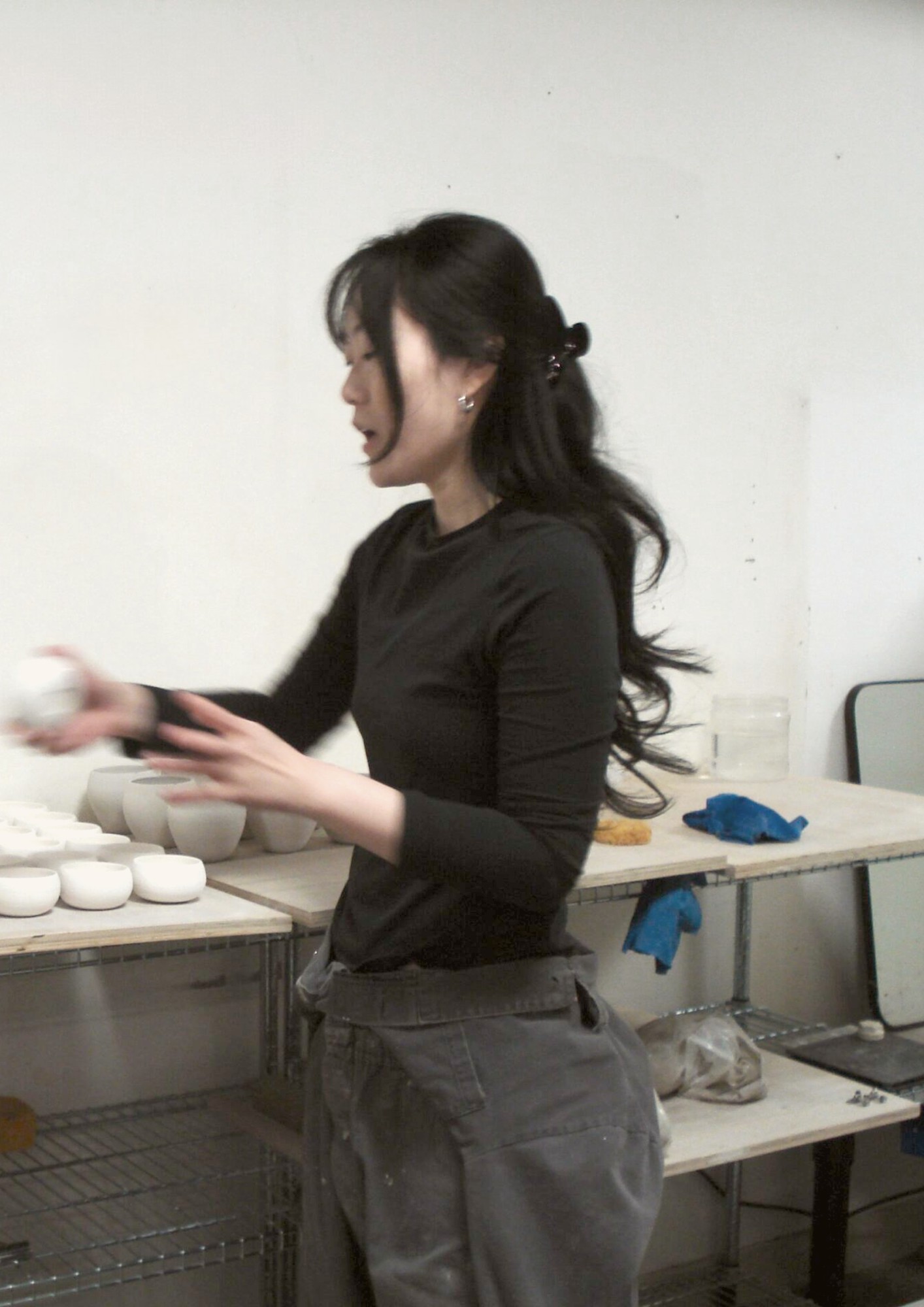
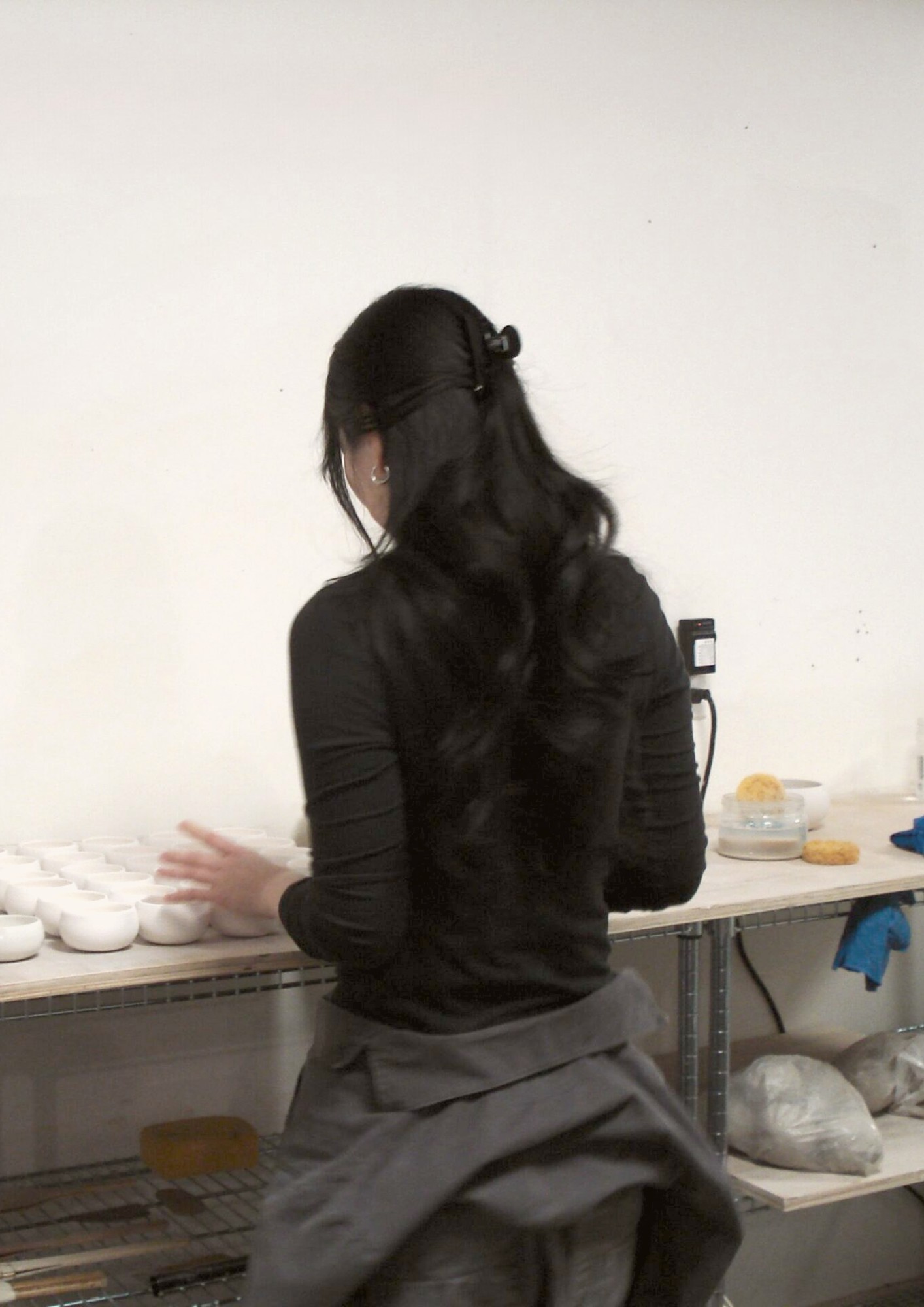
A version of organised chaos? I currently have six or seven projects happening in different stages. I tend to create little nooks within any space I’m in, so there are different corners, shelves and table surfaces dedicated to different projects.
I’m quite visually sensitive, so I like being able to see everything laid out in front of me, but I also need things to feel separated and contained. It’s not a particularly large studio, so things can be (and are) a little cramped, but I’ve found ways to make the space work.
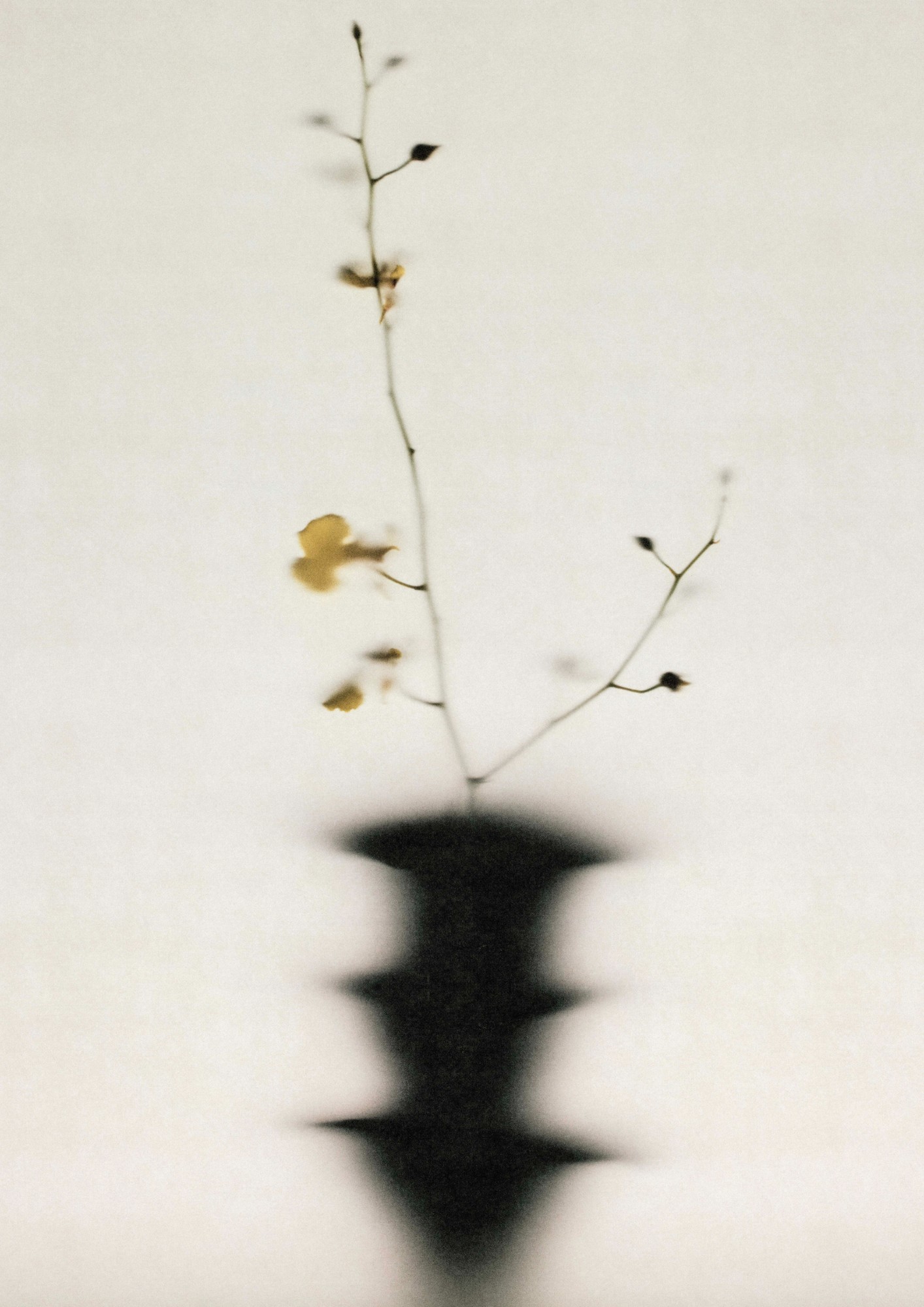
Is there a piece you’ve kept for yourself?
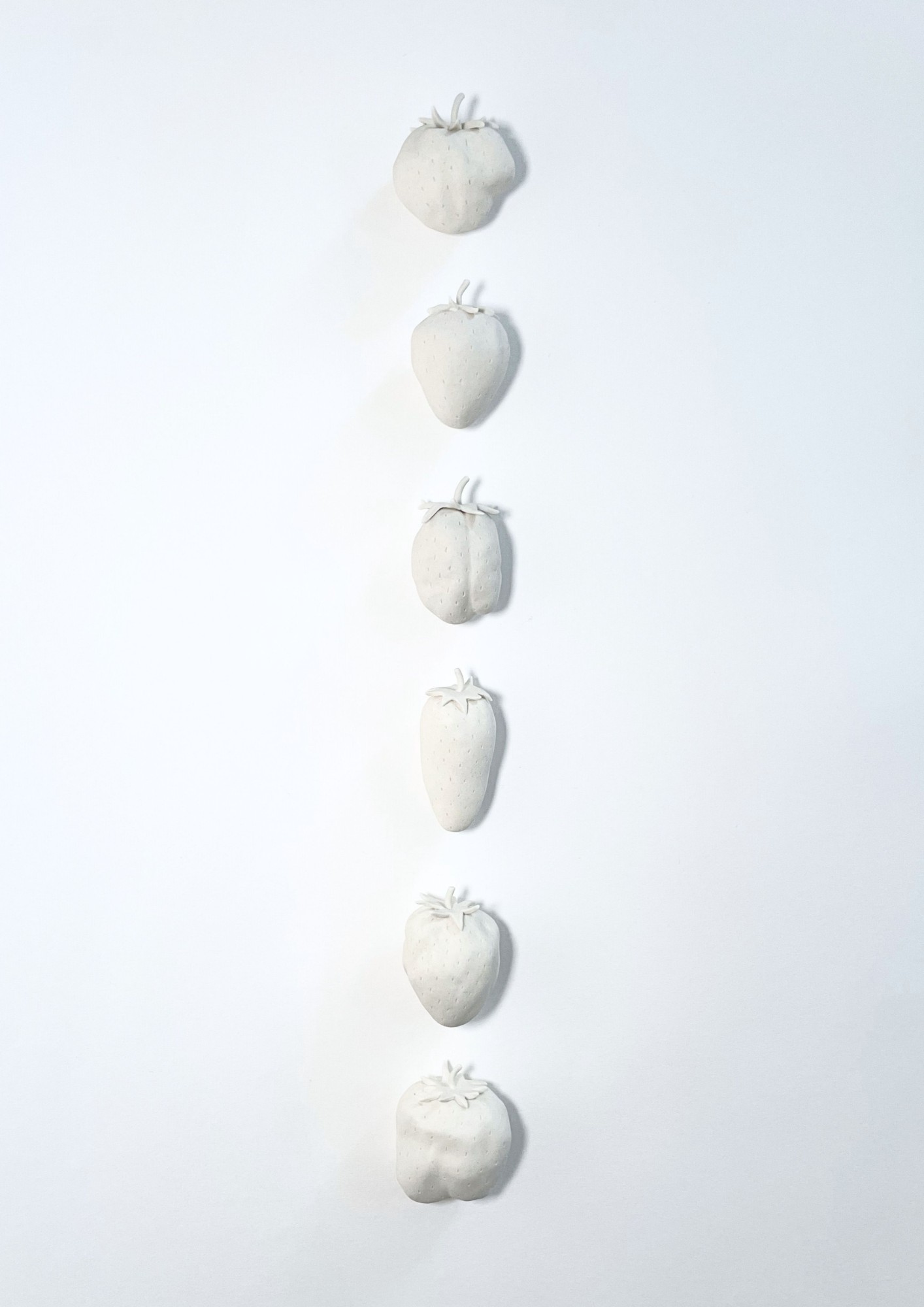
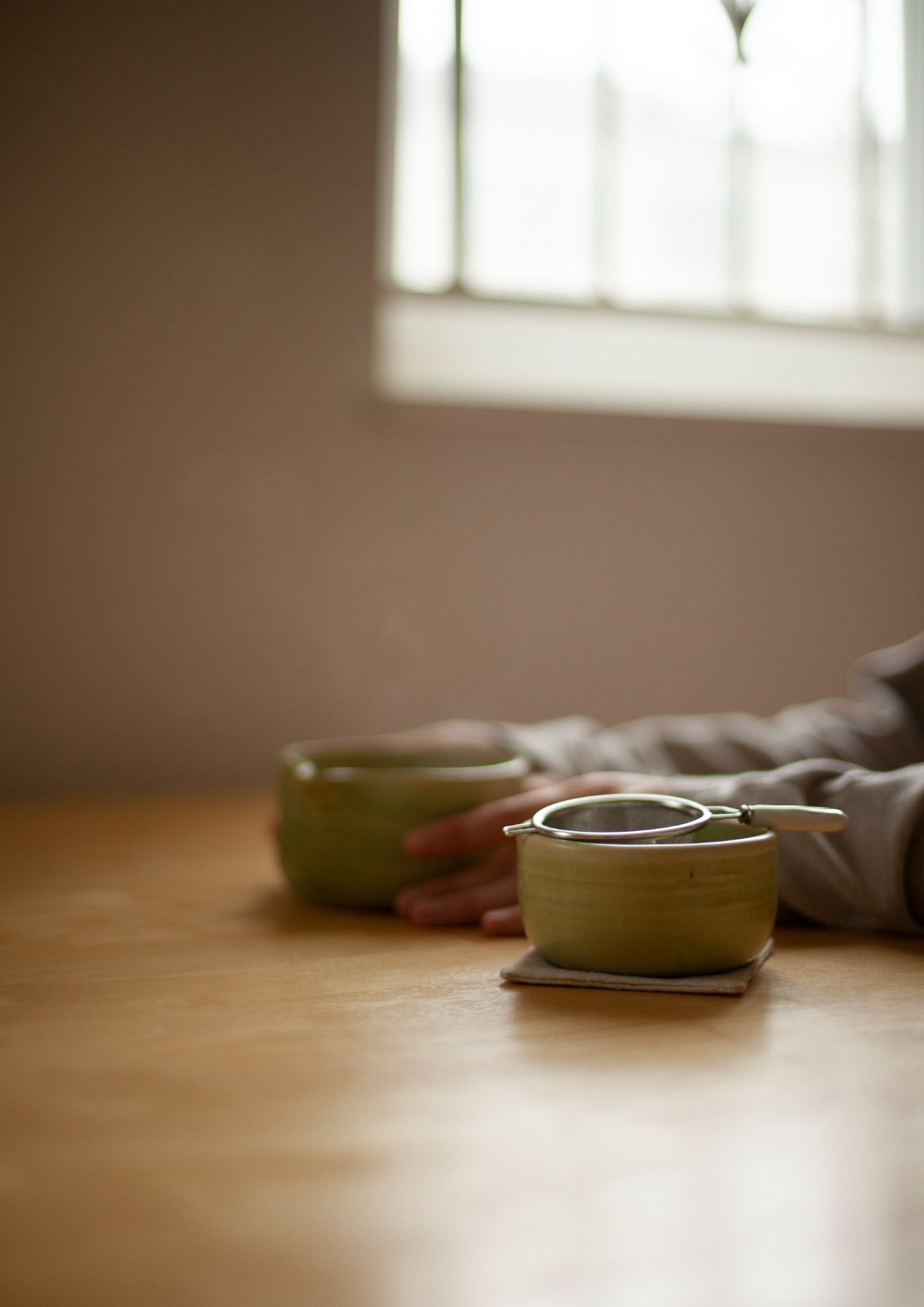
I’ve kept many pieces over my years of practice. Experimentation is still a huge part of how I work, and I often live with pieces for months before deciding whether a design needs adjusting or is the final form. This is especially important for functional objects like tableware and teaware. I want them to become a natural part of everyday life, pieces you can reach for and use without having to think too much about them.
Over time, my home has naturally become a sort of archive of my practice: collections of pieces that each hold a little part of the evolution of haneu haneu.
Works shownCourtesy of the artist
003–01Body of work, studio shelves. All images courtesy haneu haneu2023
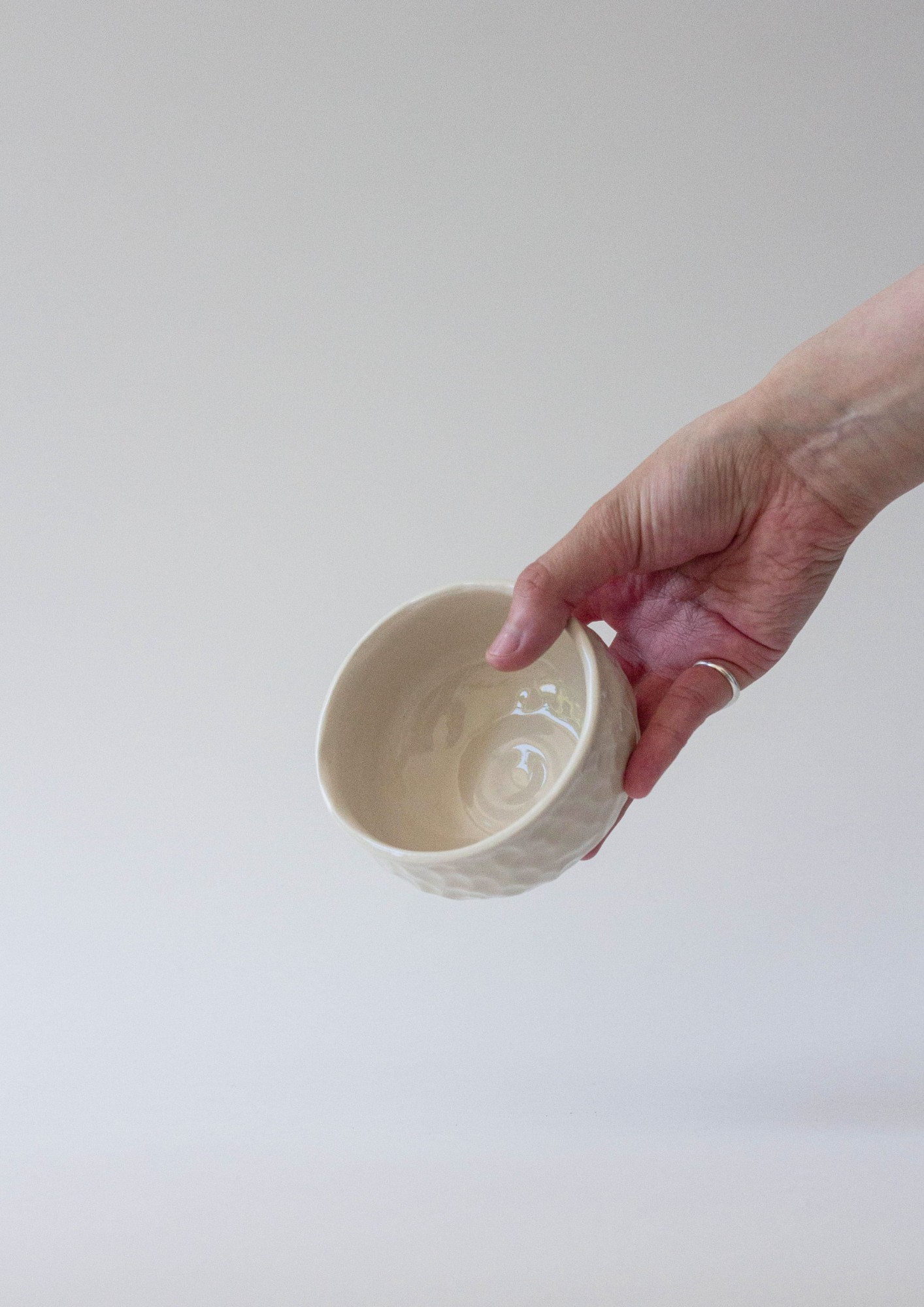
003–03Tableware, carved cup—
003–04–05Ripples, bowl and vessel2026
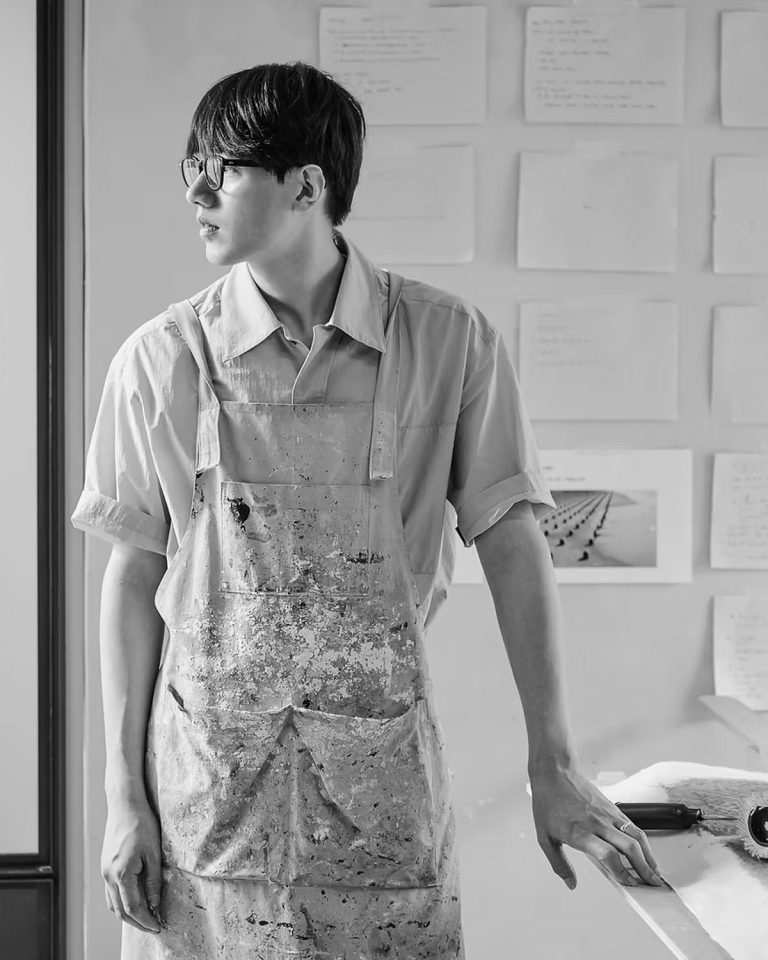
003–06–07In the studio, Toronto. Photographs courtesy Haneu—
003–08Tender fruits, past project—
003–09The shape of lilies, past project—
003–10Gentleware, past project—
Websitehaneuhaneu.com