Where to Go Instead
T he problem with St. Barths in January isn’t that it’s become bad—it hasn’t. The villas are still exceptional, the beaches remain beautiful, and the restaurants know what they’re doing. But there’s something to be said for breaking pattern, for choosing a winter that unfolds differently. Not because the established destinations have failed, but because warmth and sophistication exist in more places than the familiar circuit suggests. These six offer the same comforts—infrastructure, privacy, excellent food—with the quiet pleasure of going somewhere less expected.
Comporta, Portugal
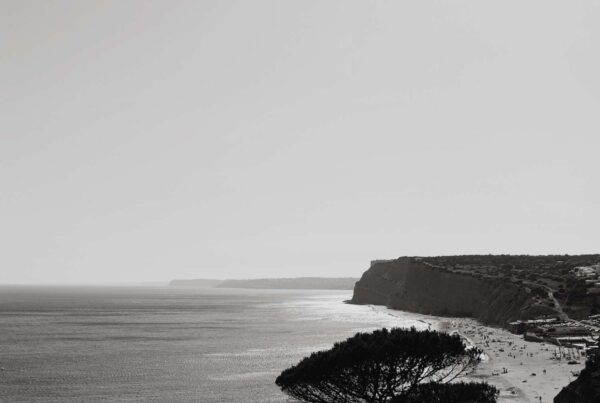
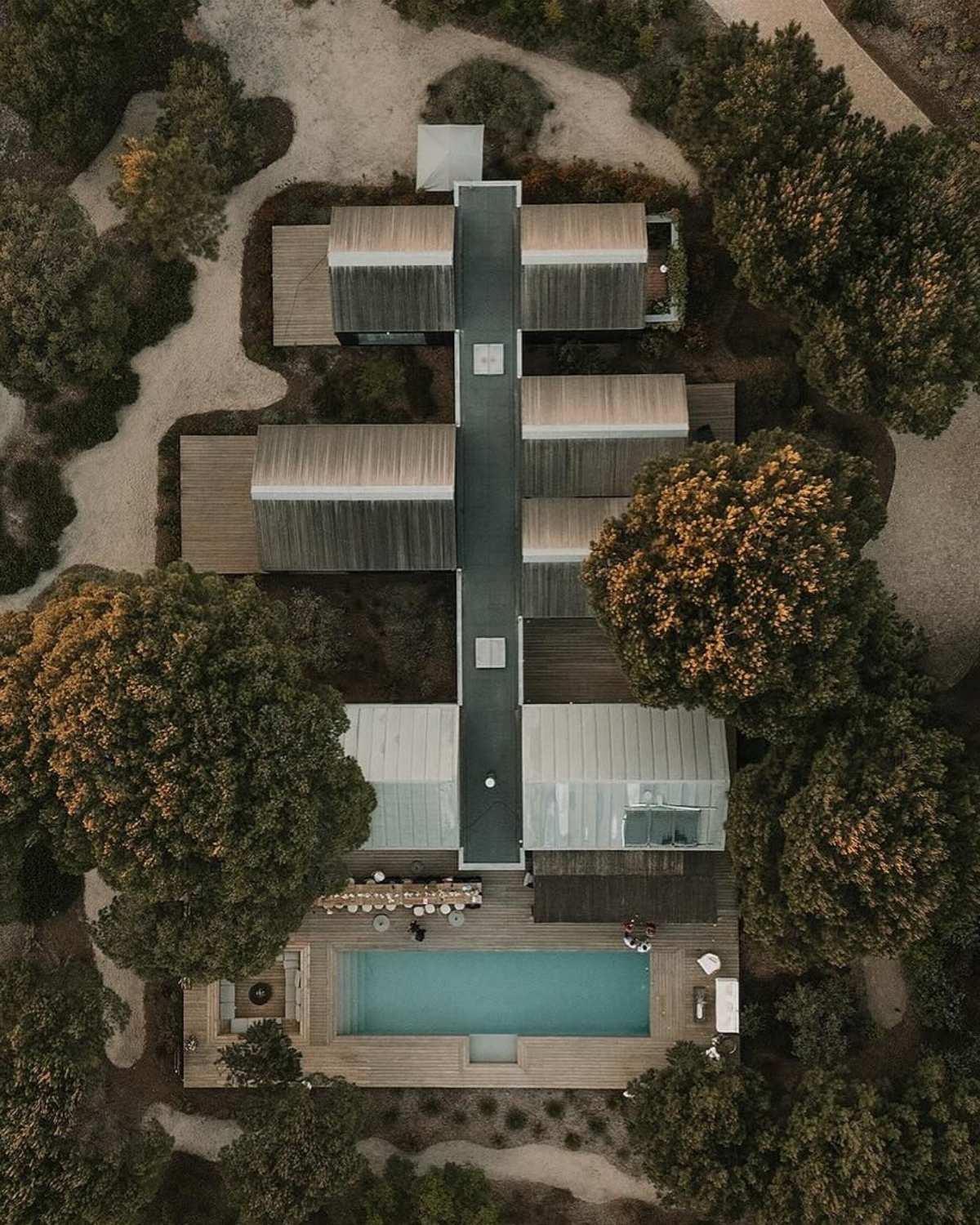
An hour south of Lisbon, Comporta remains what the Algarve was fifty years ago: rice paddies, pine forests, beaches that extend for miles without interruption. The Portuguese discovered it first, building minimalist villas behind the dunes. Stay at Sublime Comporta, where clean-lined architecture sits among the pines, or work with local agents who handle the better properties—many owned by Lisbon families who come for months, not weeks. Cavalos na Areia serves fish grilled simply, wine chosen well. The village itself offers almost nothing—a few shops, a market, deliberate absence of development. January and February mean northern European winter light on an Atlantic coast, temperatures in the sixties, beach life that exists outside fashion entirely.
Careyes, Mexico
Careyes operates as a private community on the Costalegre, an hour north of Manzanillo. The architecture—mostly by Ricardo Legorreta—uses color and form in ways that feel bold without tipping into spectacle. Villas perch on cliffs, each with ocean views, pools, and staff quarters. Playa Rosa, the beach club within the development, serves serious ceviche and properly cold wine under palapas that provide actual shade. There are no hotels; you rent houses, often the same ones particular families return to annually. The Pacific here runs warmer than Cabo, the setting more dramatic, the crowd considerably smaller. January through March means guaranteed sun and water warm enough to stay in for hours.
Parrot Cay, Turks & Caicos
Parrot Cay is a private island reached by boat from Providenciales—fifteen minutes across impossible turquoise water to a Como property that maintains standards without performance. The villas sit directly on sand, designed with proportions that make sense in heat. The beach extends for a mile in both directions, empty unless you arrange otherwise. The restaurant serves Asian-inflected cooking that works in sun—light, precise, nothing heavy. Genuine seclusion that doesn’t require sacrifice. The infrastructure functions invisibly, the food exceeds resort expectations, and the likelihood of unexpected encounters approaches zero.
Anguilla
Anguilla avoided the development cycle that consumed most of the Caribbean, remaining low-rise and relatively quiet through fortunate planning. The beaches—Shoal Bay, Meads Bay, Rendezvous Bay—justify the trip alone. Cap Juluca stretches along Maundays Bay with Moorish-influenced architecture that’s aged well. Malliouhana occupies a bluff between two beaches, recently renovated without losing its original character. Serious villa rentals exist throughout the island, many with dedicated staff and direct beach access. Blanchards has served consistent French-Caribbean cooking for thirty years. The Caribbean at proper scale—sophisticated enough to hold attention, undeveloped enough to permit actual rest.
Pantelleria, Italy
Pantelleria sits between Sicily and Tunisia, volcanic and nearly treeless, ringed by black rock and startling blue water. The traditional dammusi—thick stone walls, domed roofs designed to collect rainwater—maintain comfortable temperatures without mechanical cooling. Rent through specialists who handle the restored examples with pools and sea views; many were originally fishermen’s houses, now owned by Roman and Milanese families who come for months. Drive the island’s single circuit road to thermal springs and caper fields. Lunch at Zubebi means fish landed that morning, vegetables from nearby plots, wine from the island’s own vines. January and February bring temperatures in the sixties, occasional rain, complete absence of summer’s crowds. Italy without the performance—honest, spare, beautiful in ways that reward attention.
Trancoso, Brazil
Trancoso, on Bahia’s southern coast, centers on the Quadrado—a grass rectangle lined with small colorful houses, originally a fishing village, now mostly restaurants and shops facing the Atlantic. Uxua Casa occupies restored fishermen’s houses transformed by Wilbert Das into something between design hotel and private compound. Villas throughout Trancoso rent through local agents, many with direct access to Praia dos Nativos or Praia dos Coqueiros. The Brazilian families who established Trancoso as a destination maintain the standard—sophisticated without effort, warm without resort mechanics. January and February mean high summer, clear water, temperatures in the eighties. Barefoot elegance that existed before it became a marketing category.
The usual destinations hold their appeal for good reason—they function beautifully, and there’s comfort in knowing exactly what a winter will bring. But occasionally the better choice is simply elsewhere, where the same level of finish exists without the weight of repetition. These places provide that: warmth, privacy, and the particular pleasure of a winter that feels chosen rather than inherited.