The Cult of the Night Train
The return of the night train is one of the more unexpected cultural revivals of the past decade. For years, Europe’s overnight rail network seemed destined for decline, squeezed by the efficiency of budget airlines and the promise of high-speed day routes, yet a combination of shifting values, climate awareness, and nostalgia has brought the sleeper carriage back into focus. More than a means of transport, the night train has become a stage where design, culture, and a new definition of travel style converge.
What distinguishes the night train from other forms of travel is the experience of continuity. Boarding in one city and waking in another compresses geography into a single night’s sleep, yet unlike the anonymous capsule of an airplane, the train offers compartments, corridors, dining cars, and the sense of a moving hotel. This has made it fertile ground for both practical reinvention and cultural mythmaking. Operators across Europe have begun to recognize that the sleeper train can no longer rely on function alone; it must also deliver atmosphere, comfort, and a certain degree of romance.
Take ÖBB’s Nightjet service, which has become one of the leading examples of how to modernize without erasing tradition. Its new generation of carriages includes compact “mini-cabins” that echo Japanese capsule hotels, alongside redesigned sleeper compartments with private showers and subtle lighting systems that create a sense of privacy within a shared space. The design is deliberately contemporary, with clean lines and muted palettes, signaling that overnight rail is not an outdated relic but a relevant option for a new era of travelers who expect both utility and aesthetics.
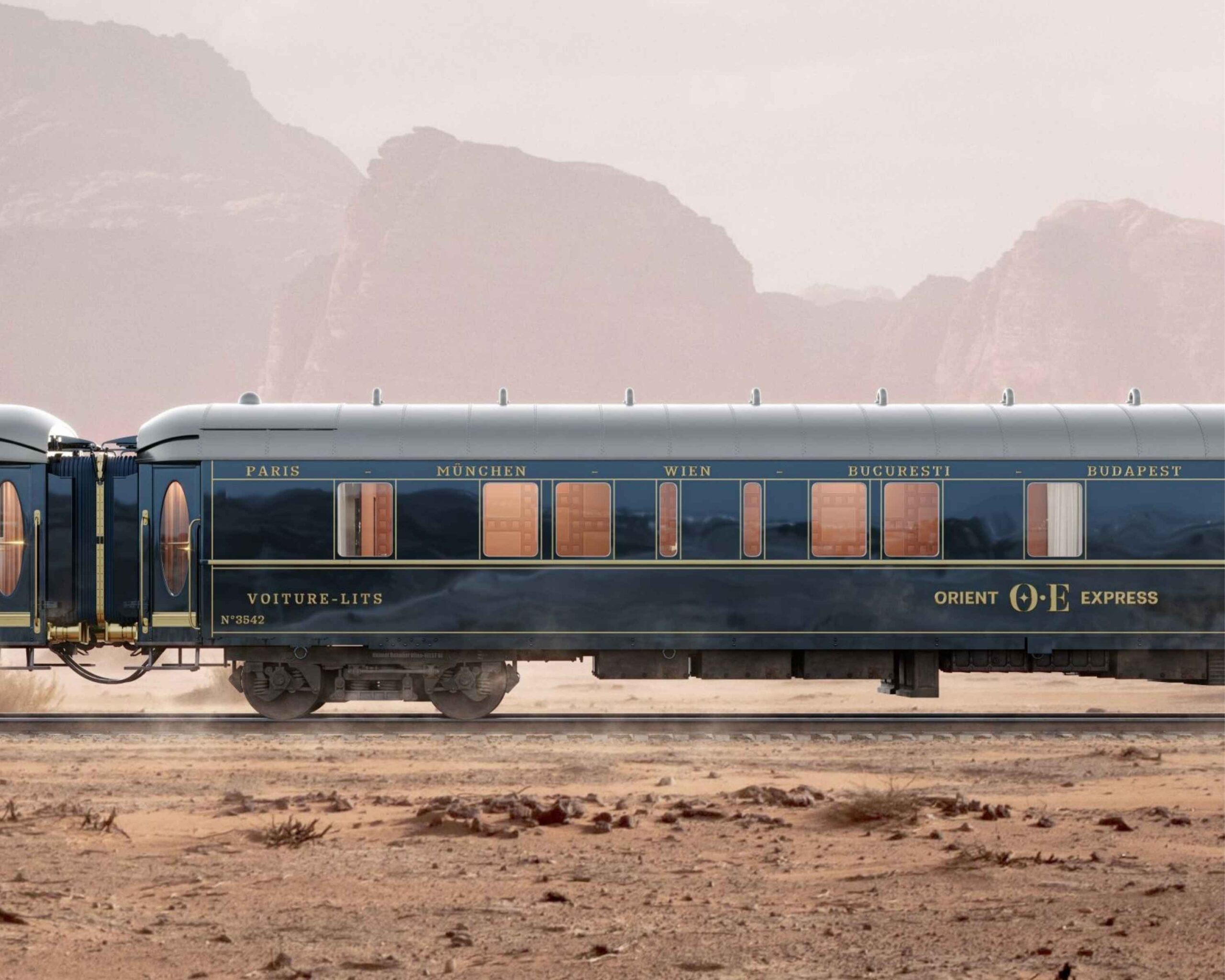
Other services have leaned into heritage. The reborn Paris to Berlin routes recall the age when European capitals were connected not just by schedules but by culture. In these carriages, velvet upholstery and brass fittings coexist with Wi-Fi and air conditioning, a deliberate play between nostalgia and modern convenience. Istanbul to Sofia continues to attract those seeking a more adventurous passage, less polished perhaps, but with a richness that comes from geography itself, carrying passengers across borders and languages while the landscape passes in darkness.
Design culture has quickly seized on the symbolism of the sleeper. Architects and interior designers are fascinated by the challenge of compact luxury: how to combine bed, storage, lighting, and privacy within a few square meters. Publications that once overlooked the train industry now feature spreads on upholstery fabrics and compartment layouts. Fashion has joined in too. Brands see the night train as an environment where style is not paraded but lived in, where a cashmere sweater, leather overnight bag, or carefully chosen fragrance feels more authentic than anything that might appear at an airport lounge.
Part of the cult around night trains is driven by environmental consciousness. Travelers who once booked short-haul flights without hesitation now find satisfaction in reducing their carbon footprint, and rail companies have not been shy in promoting the comparison between the emissions of a night train and those of a low-cost carrier. Yet what makes the movement compelling is that sustainability has aligned with aesthetics: the slower option happens also to be the more stylish. The passenger who chooses the train is not only making a responsible decision but also participating in a form of travel that feels more considered, more aligned with culture than with consumption.
It is also telling that filmmakers and writers have returned to the imagery of the night train. From classic spy thrillers set aboard the Orient Express to contemporary features that use sleeper carriages as spaces of chance encounter, the moving compartment continues to carry dramatic weight. Unlike the static hotel room, the night train contains the duality of intimacy and motion, a space where strangers might share a corridor while landscapes shift unseen outside. The cultural memory of these journeys reinforces the sense that boarding a night train is more than logistics — it is entering a tradition.
What is emerging across Europe is not simply a revival but a redefinition. Night trains are now pitched as an alternative form of lifestyle travel, appealing as much to design enthusiasts and climate-minded professionals as to students or budget travelers. They represent an intersection of function and culture, where the act of sleeping in motion resonates with contemporary desires for slowness, connection, and authenticity.
As more routes are reopened and new carriages are unveiled, the cult of the night train grows less niche and more established, suggesting that this revival is not a passing trend but a reintegration of overnight rail into the broader map of how people wish to move. Whether departing from Paris, Berlin, Istanbul, or Sofia, the journey is never only about arrival. It is about occupying a space that combines history, design, and modern life in motion — and recognizing that sometimes the most stylish way to travel is not the fastest but the most enduring.