Chromatic Silence
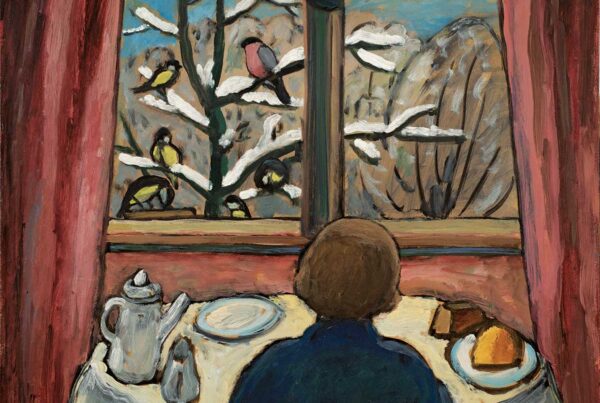
Brown here is shown not as object, but as atmosphere—a field of warmth that underlines its cultural permanence.
Every fall, the same quiet happens. The neons retreat, the pastels lose their shine, and brown—quietly, inevitably—returns. Not just as background, but as anchor. Camel, espresso, clay, rust, umber. The full gradient of warmth, pulled from earth and bark and firelight, settles across wardrobes, interiors, and editorials like clockwork. But brown is more than seasonal reflex. It’s a cultural undercurrent, subtle in tone, steady in presence.
In fashion, brown has long signaled restraint—an answer to flash. It is the preferred palette of designers who work in suggestion rather than statement. Jil Sander, Lemaire, Auralee, The Row—brands that treat color like texture, and texture like voice. Their fall collections rarely shout. Instead, they deepen: dense wool in bitter chocolate, silk in burnt sugar, suiting in tone-on-tone gradients that invite the eye to slow down.
It’s also a color of trust. In psychology, brown is associated with stability, dependability, grounding. In a culture saturated with speed and spectacle, brown offers refuge. It asks nothing of you. It just holds. You can wear it without explanation. You can fill a room with it and still breathe.
In interiors, brown is resurging—but not in the glossy mahogany of the ‘80s or the rustic farmhouse of the early 2000s. Today’s brown is matte, mineral, and modern. Think walnut cabinetry against limewashed walls. Think shearling armchairs, saddle-leather trays, clay vessels in mushroom hues. Designers aren’t using it to evoke nostalgia—they’re using it to erase noise. To warm minimalism. To add depth without decoration.
And while black still dominates the language of urban style, brown is its quieter twin. It carries weight, but not harshness. It ages well. It blends, but never disappears. In the hands of tailors, it softens the silhouette. In the right light, it turns golden.
There’s also an emotional familiarity to brown—more intimate than grey, less performative than navy. It’s the color of worn-in books, dried leaves, polished boots, strong coffee. It lingers in objects we keep close: a favorite belt, a leather folio, a wool scarf folded on a bench. These things don’t shout for attention. They just stay.
That’s part of the reason brown persists. It resists reinvention. It doesn’t need to be “trending” because it never really left. Even when the color stories shift to cobalt or marigold or acid green, brown is always waiting—unbothered, unchanged.
It may not photograph as sharply. It may not stop traffic. But in a time where so much is surface, brown feels like substance. A whisper in a room full of announcements. A return to something elemental.
This fall, expect it again. In coats the color of dried figs. In suede loafers, ribbed knits, ceramic mugs. In the corners of rooms where shadow meets wood. Not dramatic. Not nostalgic. Just present.
Chromatic silence.