A Sense of New York City
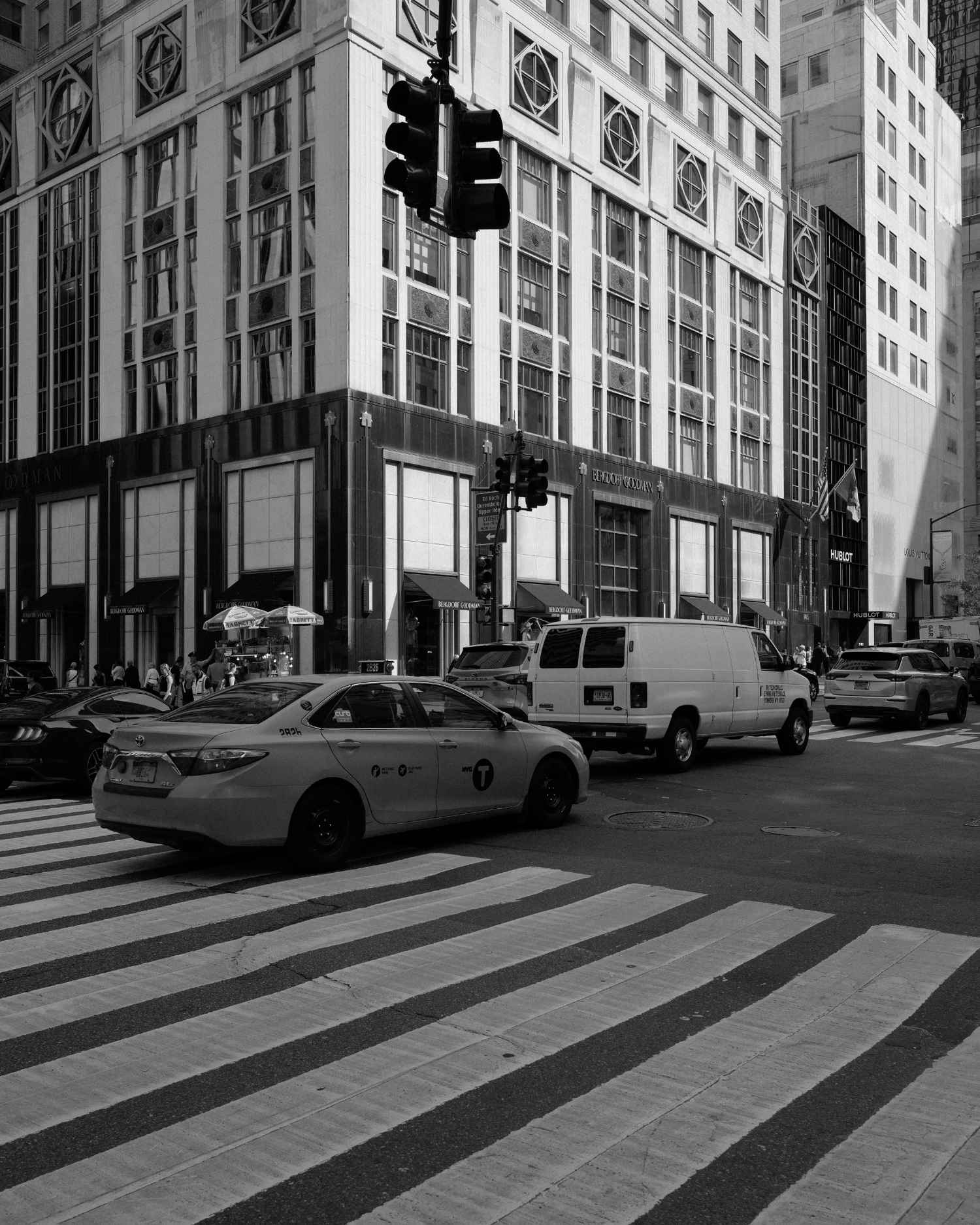
New York doesn’t greet you—it continues in your direction. At street level, it moves before you’ve decided where to go. Taxis veer, dogs bark, headphones loop jazz or pop or nothing at all. You cross the avenue without quite remembering how, the skyline pacing itself between buildings, the city rushing in diagonals while pretending to obey the grid.
To be in New York is to be mildly jostled at all times. A stroller catches your heel. A breeze picks up a napkin and an entire café chases it. At any given corner, you might overhear heartbreak, a podcast pitch, or someone explaining hot yoga to their mother on speakerphone. It is deeply chaotic. It is also oddly private. You can cry on the sidewalk and no one will stop you—not out of cruelty, but because everyone’s calendar is full.
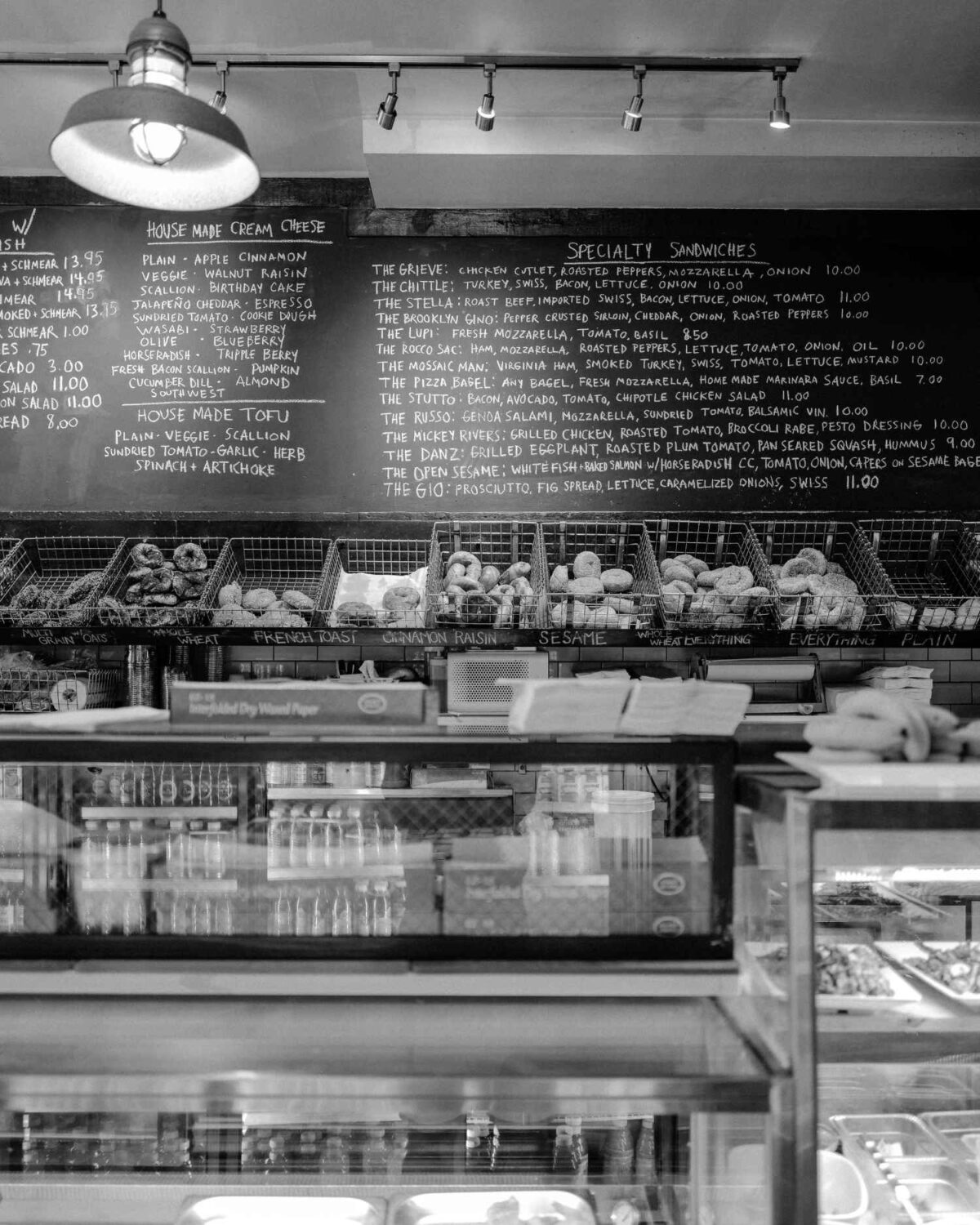
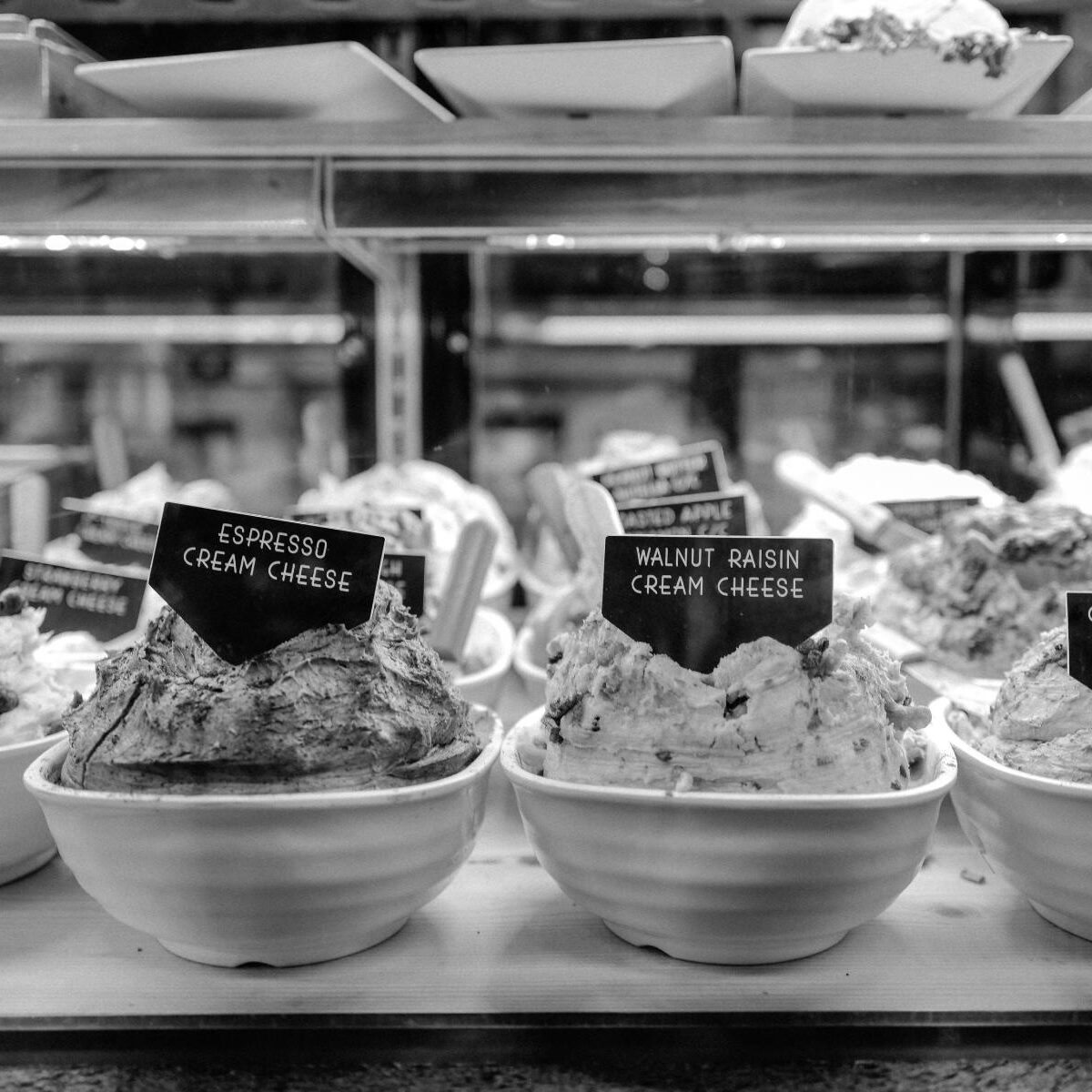
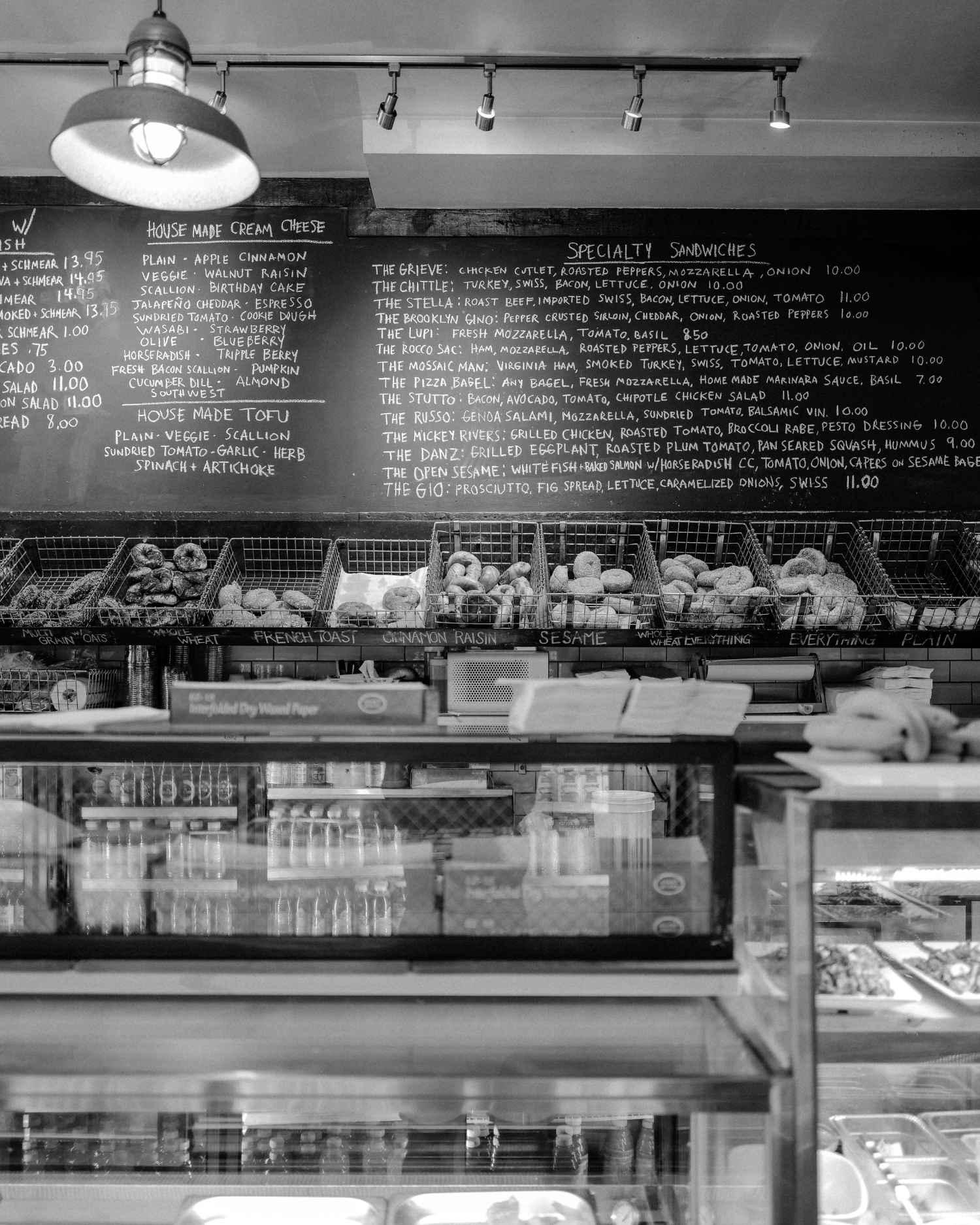
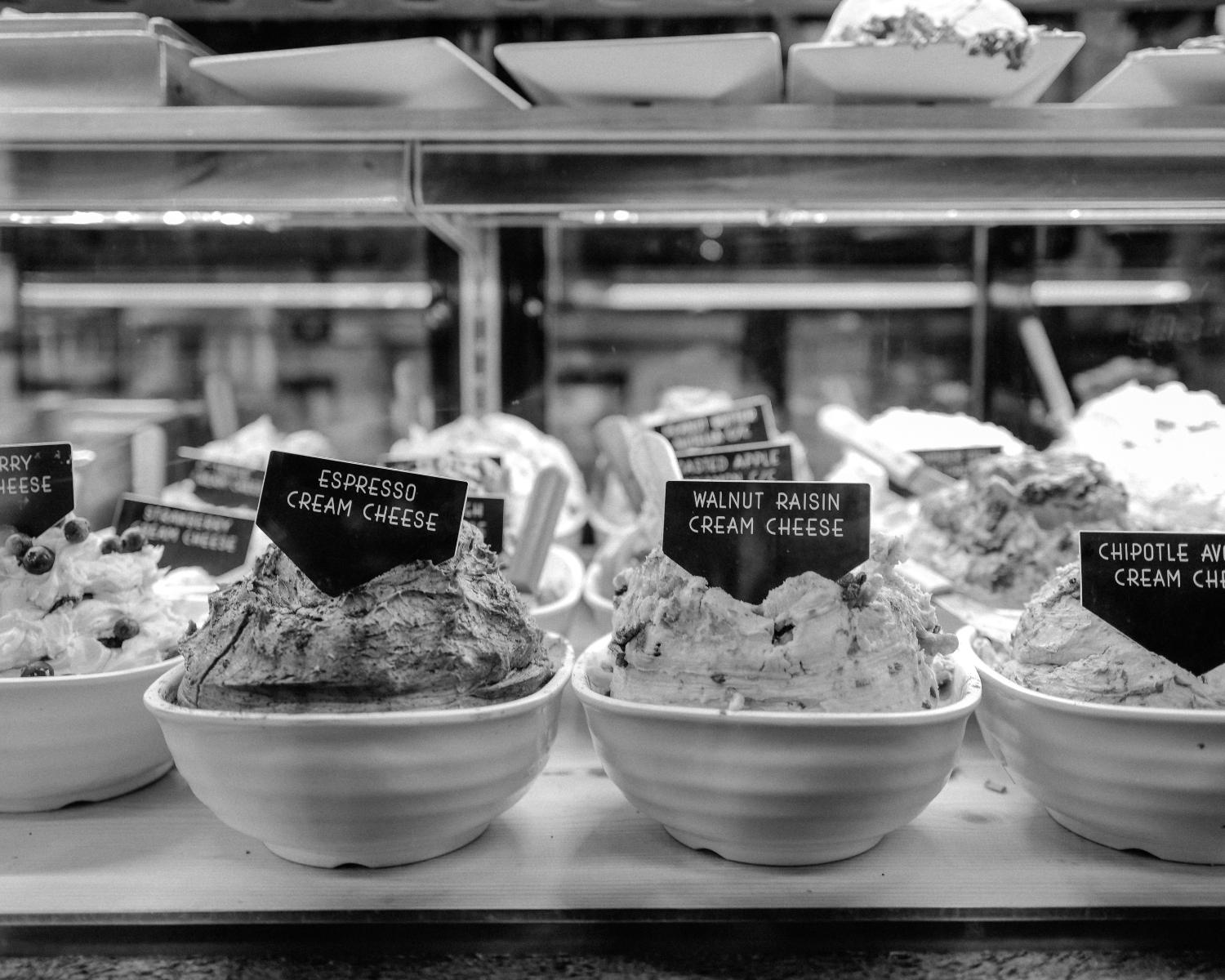
The city wears itself thin in places—its subway stations damp with yesterday’s rain, its bodegas playing the same two songs since 2007. Yet it glows. Warm bagels at 7 a.m., soft light down the avenues in early spring, a stranger’s compliment so perfectly timed it almost feels scripted. These are the things you don’t plan for.
The pace is real, but it’s uneven. Some live as if running out of time. Others have mastered the art of standing still at just the right angle, in just the right café, with just the right espresso. There are entire neighborhoods calibrated to slower tempo—Fort Greene in the morning, the West Village after rain, the top floor of a bookstore in the East 60s. Even midtown has its cracks of calm, usually behind a lobby door or one escalator up.
What distinguishes New York from other big cities isn’t just its scale or density—it’s how many lives it allows to run side by side without merging. Your barista might be a poet. The person next to you might run a hedge fund. You might be in between. In other places, this can feel like dissonance. Here, it’s the harmony. No one’s lifestyle is too surprising. The wealthiest person in the restaurant could be wearing old sneakers. The most overdressed might be on her way to teach third grade.
There is glamour, of course. But it’s more subtext than style guide. A great coat. A good haircut. A bit of mystery. The new money tends to shout. The old money knows where to sit. And most people are neither—they’re somewhere in line at Trader Joe’s, texting their landlord, or wondering if it’s too late to become a wine importer.
New York can make you feel very small or very luminous, depending on the day. Some mornings it makes perfect sense. You know your rhythm. You get the good seat. Other days, you’ll miss the train by one second and get rained on from below—an air conditioner drip timed to personal insult. These days are frequent. You get used to them.
And yet, it’s hard to leave. The city rewards resilience in strange ways. You’ll find a five-dollar slice better than most sit-down dinners. You’ll have your favorite walk, your window view, your late-night grocery store that’s always open and never stocked. You’ll start recognizing people—not by name, but by the dog they walk, the book they always carry, the exact hat they always wear in October. Familiar strangers are half the charm.
If you’re visiting, you won’t see all of it. No one does. But you’ll get a feeling. Something between alertness and fatigue. You’ll look up more often than usual. You’ll walk faster without meaning to. You’ll begin to understand that people don’t live in New York because it’s easy—they live here because every now and then, it feels like the center of everything.
It isn’t, of course. But it plays the part better than most.